Accessories made an outfit better only when I added more of them. A bold necklace, stacked rings, sunglasses, a belt, a watch, a printed scarf, and a statement bag all felt stylish separately, but together they often made my outfit look crowded.
Over time, I learned that How to Mix Accessories Without Overstyling is really about balance. The goal is not to wear fewer pieces just to play safe. The goal is to make every accessory feel intentional, useful, and connected to the outfit.
Why Accessories Can Make or Break an Outfit
Accessories are powerful because they guide the eye. A simple white shirt and jeans can look polished with gold hoop earings, a leather belt, and a structured bag. The same outfit can feel messy if every piece competes for attention.
The best styling trick is to treat accessories like finishing details, not the whole outfit. They should support your clothes, frame your face, and add personality without stealing all the focus.
Start With One Main Accessory
The easiest way to avoid overstyling is to choose one main accessory first. This could be chunky earrings, a bold handbag, a wide belt, colorful sunglasses, layered necklaces, or standout shoes. Once I choose that focal point, I keep the rest softer.
If I wear oversized gold hoops, I skip a heavy necklace and choose a simple bracelet instead. If my bag has a strong color or texture, I keep my jewelry clean and minimal. This one-step rule makes the whole outfit look more expensive because nothing feels accidental.
Follow the Rule of Three
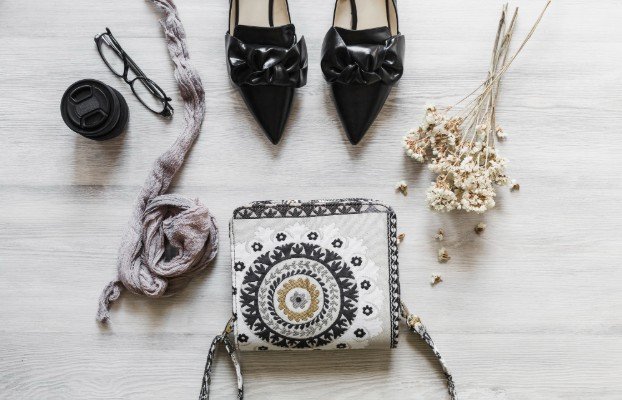
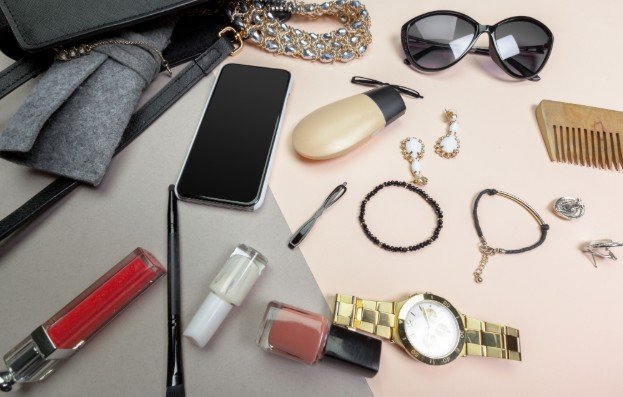
A simple rule I like is wearing around three visible accessory zones. For example, earrings, belt, and bag. Or sunglasses, watch, and shoes. Or necklace, rings, and scarf.
This does not mean you can only wear three items. It means three areas should stand out visually. Tiny rings or a delicate watch may not count as major focal points, but a bright bag or oversized belt definitely does.
Balance Bold Pieces With Simple Ones
The best accessory combinations usually have contrast. A statement piece needs quiet pieces around it. If I wear a printed scarf, I choose plain earrings. If I wear a metallic magic handbag, I keep my shoes simple.
If I wear stacked necklaces, I avoid statement earrings. This is one of the most important lessons in How to Mix Accessories Without Overstyling because it keeps the outfit interesting without making it loud.
Mix Metals Without Looking Messy
Mixing gold and silver can look modern when it feels planned. The trick is to repeat each metal at least once. For example, gold earrings with a silver watch may look random. But gold earrings, a silver watch, and a ring that combines both metals can tie everything together.
Match Accessories to the Outfit Mood
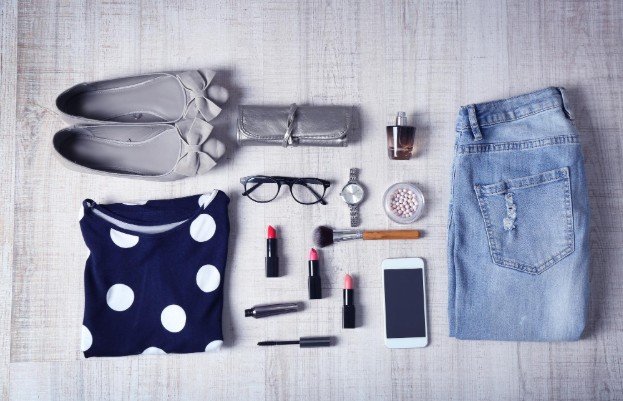
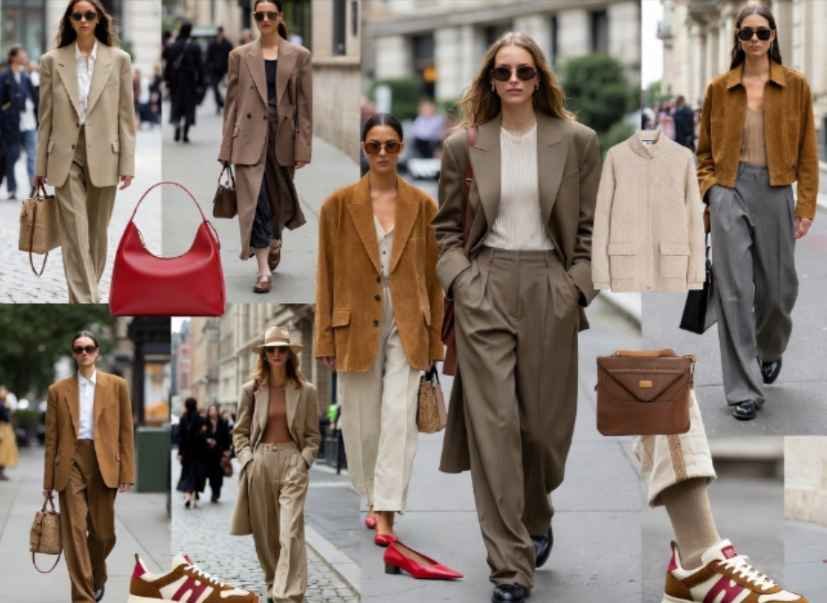
Accessories should match the energy of the outfit. A soft linen dress works beautifully with woven bags, delicate jewelry, and sandals. A sharp blazer looks better with a structured handbag, sleek watch, and clean earrings.
For casual outfits, I like sneakers, caps, crossbody bags, and simple jewelry. For dressier outfits, I lean toward polished metals, elegant belts, and cleaner shapes. The outfit mood should decide the accessory mood.
Use Color as a Small Accent
Colorful accessories work best when they repeat or contrast with intention. A red bag can look beautiful with a colorful outfit. Green sunglasses can freshen up denim. A printed scarf can bring life to a plain dress.
The key is not adding too many unrelated colors. If one accessory is colorful, I usually keep the others neutral. This helps the color feel stylish instead of chaotic.
Balance Bags, Belts, Shoes, and Jewelry
Many people focus only on jewelry, but bags, belts, and shoes matter just as much. If the shoes are bold, the bag should be quieter. If the belt has a large buckle, jewelry should stay simple.
If the bag is textured, the shoes can stay smooth and clean. A balanced outfit usually has one strong detail near the face, one around the waist or hands, and one near the feet.
Common Accessory Mistakes to Avoid

The biggest mistake is wearing too many statement pieces at once. Another mistake is mixing different styles that do not speak to each other. I also avoid wearing accessories only because they are trendy.
A piece should improve the outfit, not just fill space. Before leaving, I ask myself: What is the first thing people will notice? If the answer is five different things, I remove one accessory.
Quick Styling Checklist
Before finishing a look, check if your accessories have one clear focal point. Make sure your metals, colors, and textures feel connected. Look at your shoes and bag together because they often decide whether the outfit feels polished. Most importantly, remove anything that feels like decoration without purpose.
Frequently Asked Questions
1. What is the easiest way to learn How to Mix Accessories Without Overstyling?
The easiest way is to start with one statement accessory and build around it. Keep the other pieces simple, repeat one color or metal, and stop before the outfit feels crowded.
2. Can I wear earrings, necklaces, rings, and bracelets together?
Yes, but keep the sizes balanced. If your earrings are bold, choose a delicate necklace. If your rings are stacked, wear a simple bracelet.
3. Should my bag and shoes match?
They do not have to match exactly. They should feel connected through color, texture, shape, or outfit mood.
The Final Styling Note
I now see accessories as the quiet difference between a basic outfit and a memorable one. When I choose them with purpose, I feel more polished without feeling overdone.
The best outfits do not look like every accessory was added at the last minute. They look edited, balanced, and personal. That is what makes accessorizing feel effortless.