For years, I kept switching between harsh acne products, expensive serums, and viral skincare trends hoping something would finally give me healthier skin. Instead, my skin barrier became dry, irritated, and constantly stressed.
The moment I started following a korean skincare routine, I noticed a completely different approach to skincare that focused more on hydration, balance, and long-term skin health.
What immediately stood out to me was how lightweight and calming the products felt. Instead of stripping the skin, Korean skincare layers hydration gradually while helping the skin stay smooth, radiant, and protected throughout the day. Within a few weeks, my skin looked brighter, softer, and far more balanced than it ever had before.
That is exactly why Korean beauty continues to dominate skincare trends across the United States. People are no longer chasing aggressive routines. They want healthy, glowing skin that actually lasts.
Why Korean Skincare Became So Popular in the United States
American skincare routines traditionally focused heavily on treating acne aggressively with drying cleansers, strong scrubs, alcohol-based toners, and harsh exfoliants. Korean skincare introduced an entirely different philosophy centered around hydration, skin barrier repair, and slow aging.
Instead of damaging the skin while chasing quick results, Korean beauty emphasizes maintaining balance. This shift resonated with many people struggling with irritation, dehydration, redness, and over-exfoliation.
The popularity of glass skin trends, dewy makeup, lightweight sunscreens, and barrier repair ingredients helped Korean skincare become mainstream throughout the US beauty industry. Today, ingredients once considered niche are now found everywhere from Sephora shelves to drugstore skincare aisles.
The Correct Korean Skincare Order Explained
One of the biggest reasons Korean skincare works so effectively is product layering. Products are applied from the thinnest consistency to the thickest consistency so the skin can absorb hydration properly without feeling heavy or congested.
This layering technique allows the skin to stay hydrated throughout the day while strengthening the skin barrier over time.
Morning Routine for Hydrated and Protected Skin
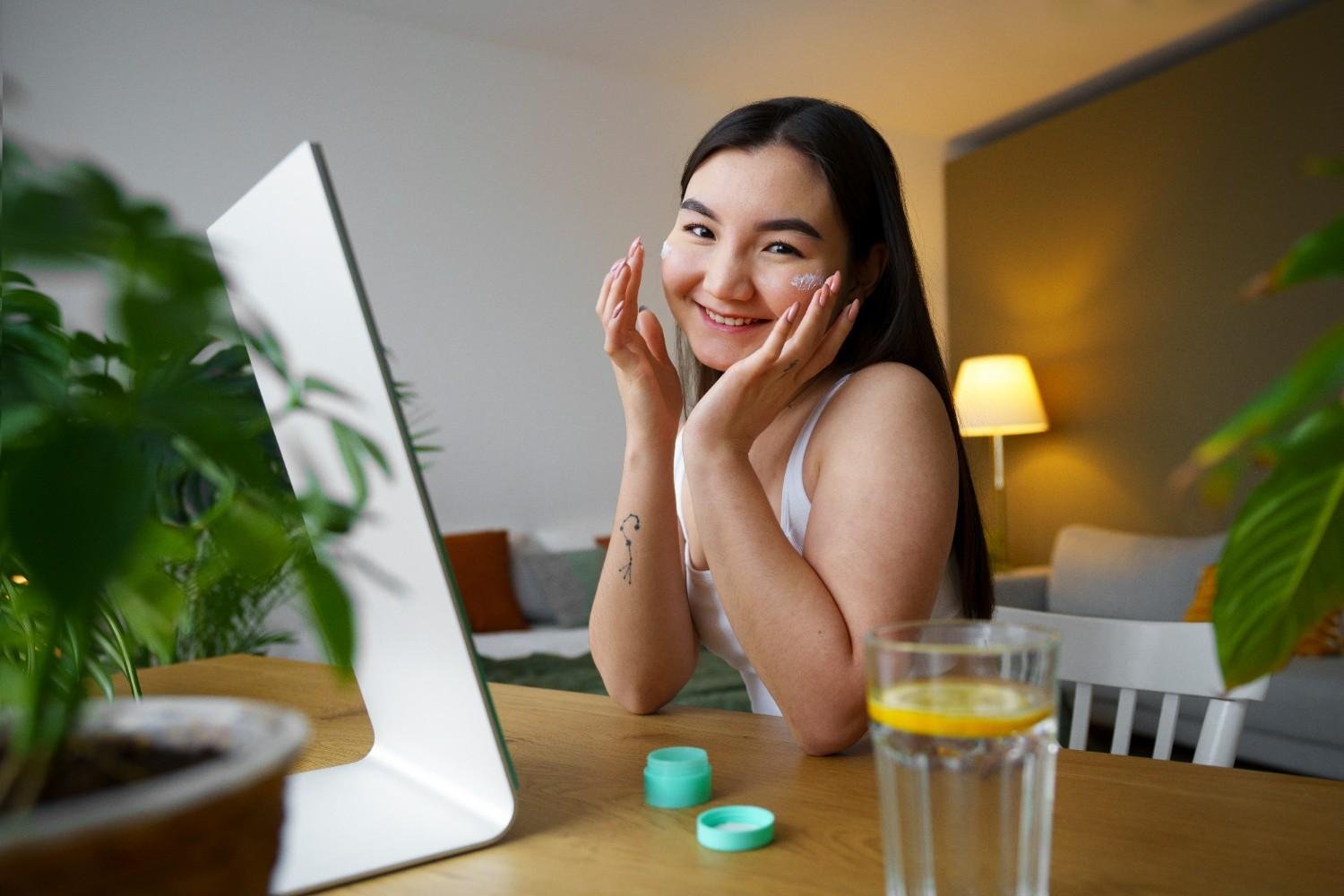
The morning routine focuses primarily on hydration, antioxidant protection, and sunscreen.
Gentle Cleanser or Water Wash
In the morning, I personally avoid harsh cleansing because over-cleansing often leaves the skin dehydrated before the day even begins. A gentle cleanser or simple water rinse removes overnight sweat and leftover skincare without stripping natural oils.
Cream cleansers and low-pH gel cleansers usually work best for maintaining a healthy skin barrier.
Hydrating Toner
Korean toners are very different from older Western toners that focused on removing oil aggressively. Modern Korean toners replenish hydration immediately after cleansing while helping rebalance the skin.
Ingredients like hyaluronic acid, rice water, panthenol, and centella asiatica help calm dryness and prep the skin for deeper hydration.
Essence for Deep Hydration
This step completely changed how my skin looked over time. Essences deliver lightweight hydration deep into the skin while improving the absorption of serums and moisturizers layered afterward.
Fermented ingredients like galactomyces ferment filtrate help brighten dull skin and improve uneven texture gradually. Many Korean beauty experts consider essence the heart of a successful skincare routine.
Serum or Ampoule for Targeted Skin Concerns
Serums allow you to customize your skincare based on your specific concerns.
For brightening and hyperpigmentation, niacinamide and vitamin C work extremely well. For redness and irritation, centella asiatica and heartleaf are incredibly soothing. Peptides and ginseng help improve elasticity while supporting slow-aging skincare goals.
This customization aspect is one reason K-beauty performs so well across different skin types.
Eye Cream for Delicate Skin
The skin around the eyes naturally becomes thinner over time, which is why Korean skincare places emphasis on consistent hydration in this area.
Lightweight eye creams containing peptides, caffeine, ceramides, or snail mucin help reduce dryness while supporting smoother-looking skin.
Moisturizer to Lock Everything In
One misconception I had years ago was assuming moisturizers caused oily skin. In reality, dehydrated skin often produces even more oil to compensate for moisture loss.
Gel moisturizers work beautifully for oily skin while richer creams help dry skin maintain hydration longer.
Sunscreen Is the Most Important Step
No skincare routine matters much without sunscreen. Korean sunscreens became extremely popular in the United States because they feel lightweight, elegant, and comfortable compared to older sunscreen formulas.
Daily SPF helps prevent:
- hyperpigmentation
- premature aging
- fine lines
- sun damage
- uneven skin tone
Consistent sunscreen use is one of the biggest reasons Korean skincare users often maintain healthier-looking skin long term.
Evening Routine for Skin Repair and Recovery
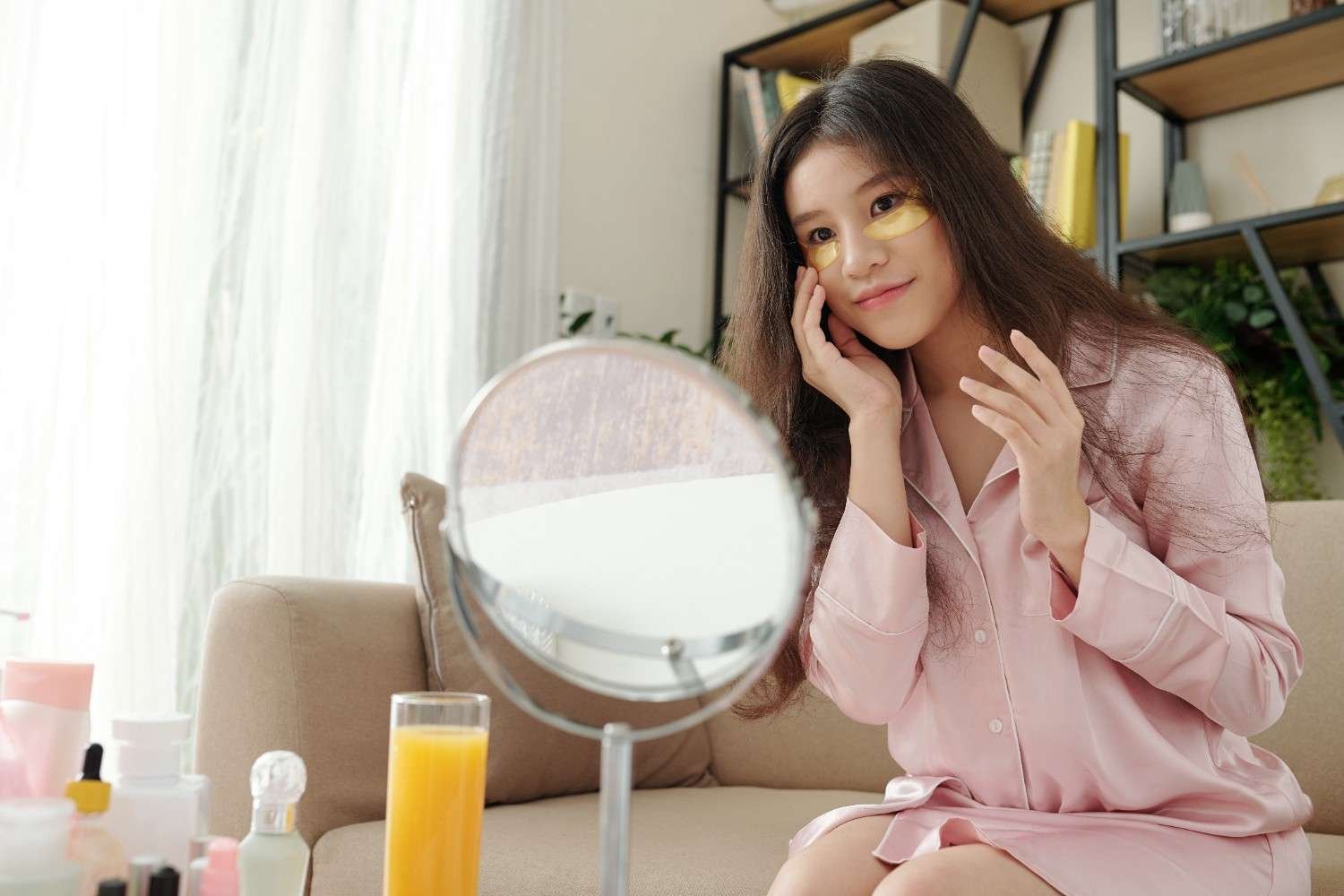
Nighttime skincare focuses more heavily on cleansing, repair, hydration, and overnight recovery.
Oil Cleanser for Double Cleansing
Oil cleansing initially sounded intimidating to me because I assumed oils would clog pores. Instead, it became one of the best steps for removing sunscreen, makeup, excess sebum, and pollution without irritating the skin.
This step dissolves oil-based impurities gently while helping reduce congestion.
Water-Based Cleanser
The second cleanser removes sweat, dirt, and remaining debris. Together, these two steps create the famous Korean “double cleanse.”
This method leaves the skin cleaner without causing tightness or dryness.
Gentle Exfoliation
Exfoliation should never feel aggressive. Korean skincare typically favors gentle chemical exfoliants like:
- AHAs
- BHAs
- PHAs
These ingredients remove dead skin cells gradually while helping improve texture and clogged pores.
Most people only need exfoliation one to three times weekly depending on skin sensitivity.
Hydration and Treatment Layers
After cleansing, the nighttime routine repeats toner, essence, and treatment products to deeply hydrate the skin while supporting overnight recovery.
Retinal, peptides, ceramides, and hydrating serums often work especially well at night because the skin naturally enters repair mode during sleep.
Sheet Masks and Sleeping Masks
Sheet masks became globally famous because they instantly make the skin appear more hydrated and refreshed. I personally like using sheet masks before events or after long travel days when my skin feels dehydrated.
Sleeping masks create a protective layer that helps prevent overnight moisture loss while leaving the skin softer by morning.
The Most Important Korean Skincare Ingredients Right Now
Modern K-beauty strongly emphasizes skin barrier repair and hydration-focused ingredients.
Snail mucin remains one of the most searched Korean skincare ingredients because it hydrates deeply while helping improve skin texture and post-acne marks.
Centella asiatica, often called cica, helps calm inflammation and reduce visible redness. Ginseng provides antioxidant support that helps improve elasticity and dullness over time.
Galactomyces ferment filtrate brightens uneven skin tone while supporting smoother skin texture. Rice water remains popular because it gently enhances brightness without irritating sensitive skin.
The Biggest Mistakes People Make With Korean Skincare
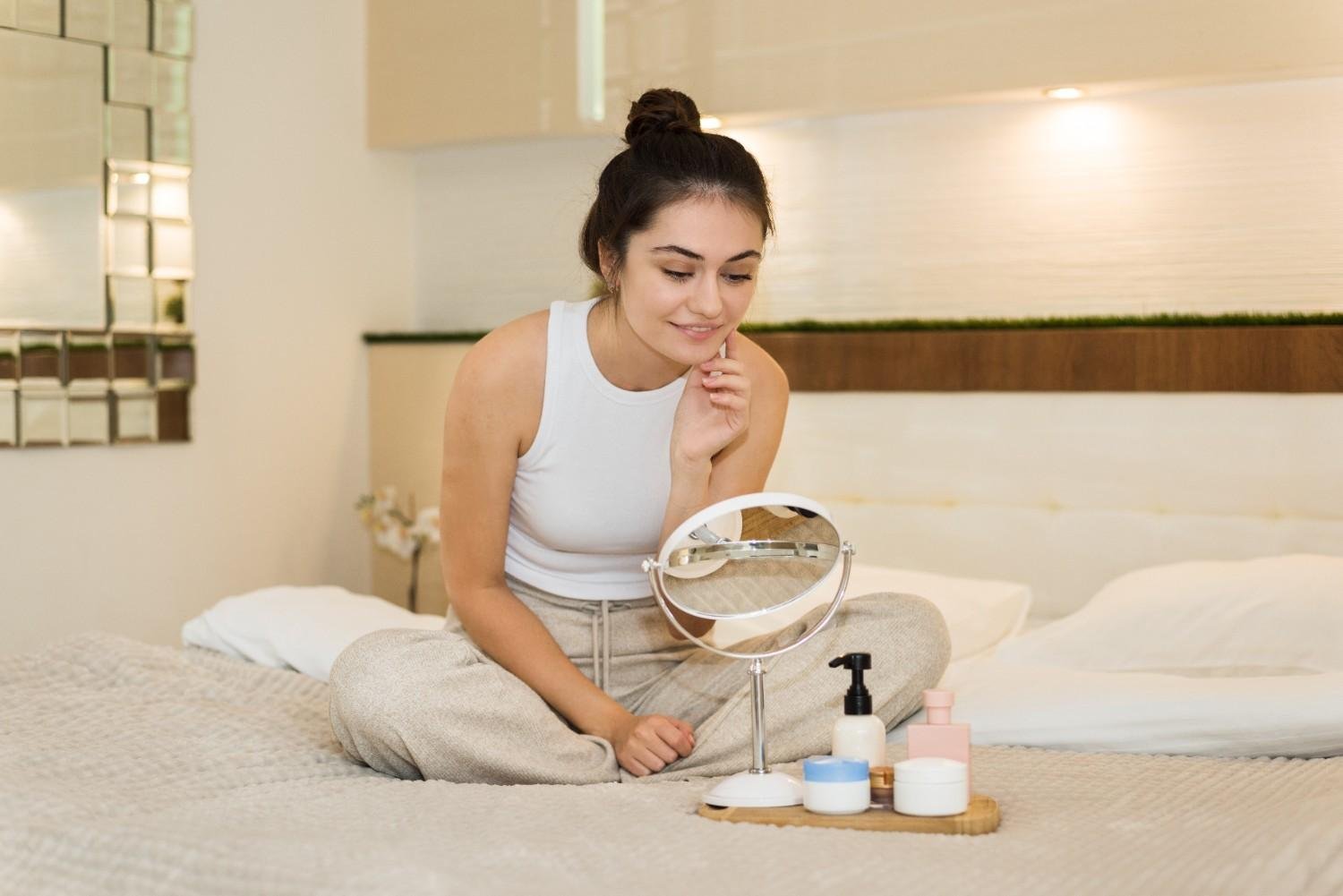
When I first started following K-beauty trends, I copied routines that used too many products at once. Instead of building a simple everyday skincare routine, I overloaded my skin with unnecessary layers, and that approach actually damaged my skin barrier temporarily.
The most effective approach is starting slowly and building consistency.
Many people also make the mistake of:
- over-exfoliating
- mixing too many active ingredients
- skipping moisturizer
- ignoring sunscreen
- chasing trends instead of focusing on skin needs
A consistent Korean skincare routine works best when it feels sustainable rather than overwhelming.
Is Korean Skincare Good for Oily, Dry, and Acne-Prone Skin?
One reason Korean skincare became so successful globally is because it adapts extremely well to different skin types.
Oily skin benefits from lightweight hydration and calming ingredients that help reduce excessive sebum production without over-drying.
Dry skin responds beautifully to ceramides, snail mucin, richer moisturizers, and layered hydration.
Acne-prone skin often improves with soothing ingredients like centella asiatica, tea tree, mugwort, and gentle BHAs that support the skin barrier instead of damaging it.
Frequently Asked Questions (FAQs)
1. What is the correct order of Korean skincare?
The proper order is cleanser, toner, essence, serum, moisturizer, and sunscreen during the daytime. Evening routines also include double cleansing and occasional exfoliation.
2. Do I need all 10 Korean skincare steps?
No. Most people achieve excellent results using a simplified routine focused on cleansing, hydration, moisturizer, and SPF.
3. How long does Korean skincare take to show results?
Hydration improvements often appear within two weeks, while brighter texture and smoother skin usually become noticeable after six to eight weeks.
4. Is Korean skincare suitable for sensitive skin?
Yes. Many Korean skincare products focus heavily on calming inflammation and repairing the skin barrier using gentle ingredients.
Why Korean Skincare Still Dominates Beauty Trends in 2026
The biggest reason K-beauty continues growing is because people increasingly want healthy skin instead of temporary fixes. The focus has shifted toward:
- skin barrier repair
- slow aging
- hydration layering
- lightweight formulas
- personalized skincare
- minimalist routines
That evolution aligns perfectly with what modern skincare users actually want.
Once I stopped trying to aggressively “fix” my skin and started supporting it consistently, my complexion became healthier, calmer, and much easier to maintain. A realistic Korean skincare routine does not require perfection or ten complicated products. It simply requires consistency, gentle hydration, and understanding what your skin truly needs.