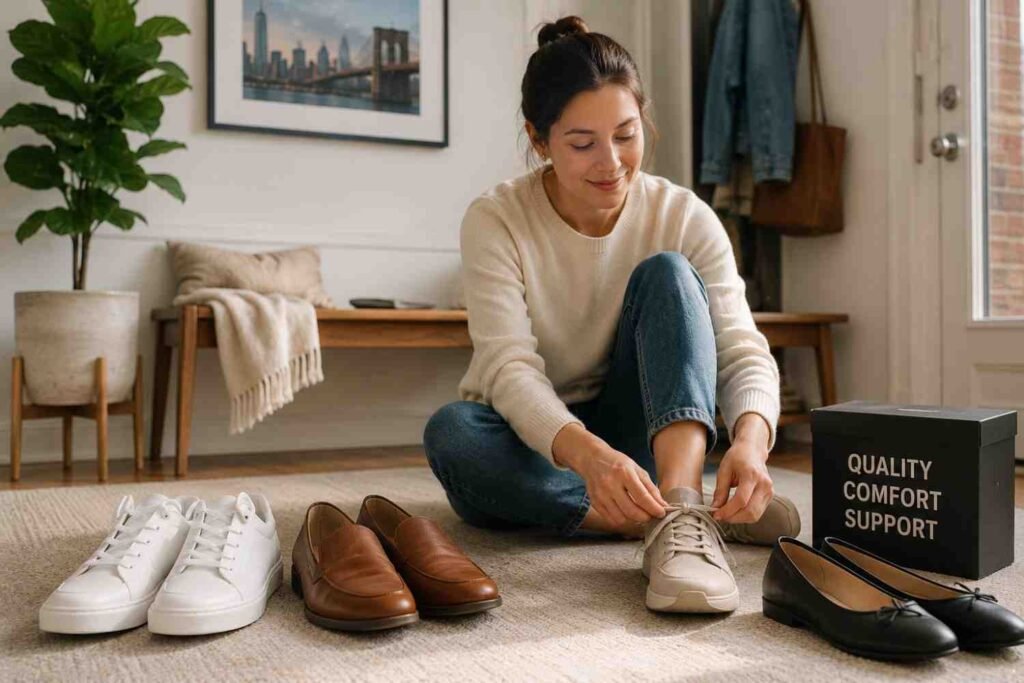
A few years ago, I used to think all shoes were basically the same. If they looked decent and survived a few months, that felt good enough. But after long workdays, weekend errands, and constant walking, I started noticing something strange. My feet felt tired before the day was even halfway done. Then came lower back stiffness, sore heels, and that dull knee discomfort people usually blame on age or stress.
The surprising part was how quickly things changed once I switched to quality footwear. Not luxury for the sake of showing off, but properly made shoes with support, cushioning, and durable construction. The difference was not dramatic overnight. It was subtle at first. Less fatigue. Better walking comfort. Fewer aches at the end of the day. Over time, those small changes added up in a way cheap shoes never could.
Quality Footwear Does More Than Protect Your Feet
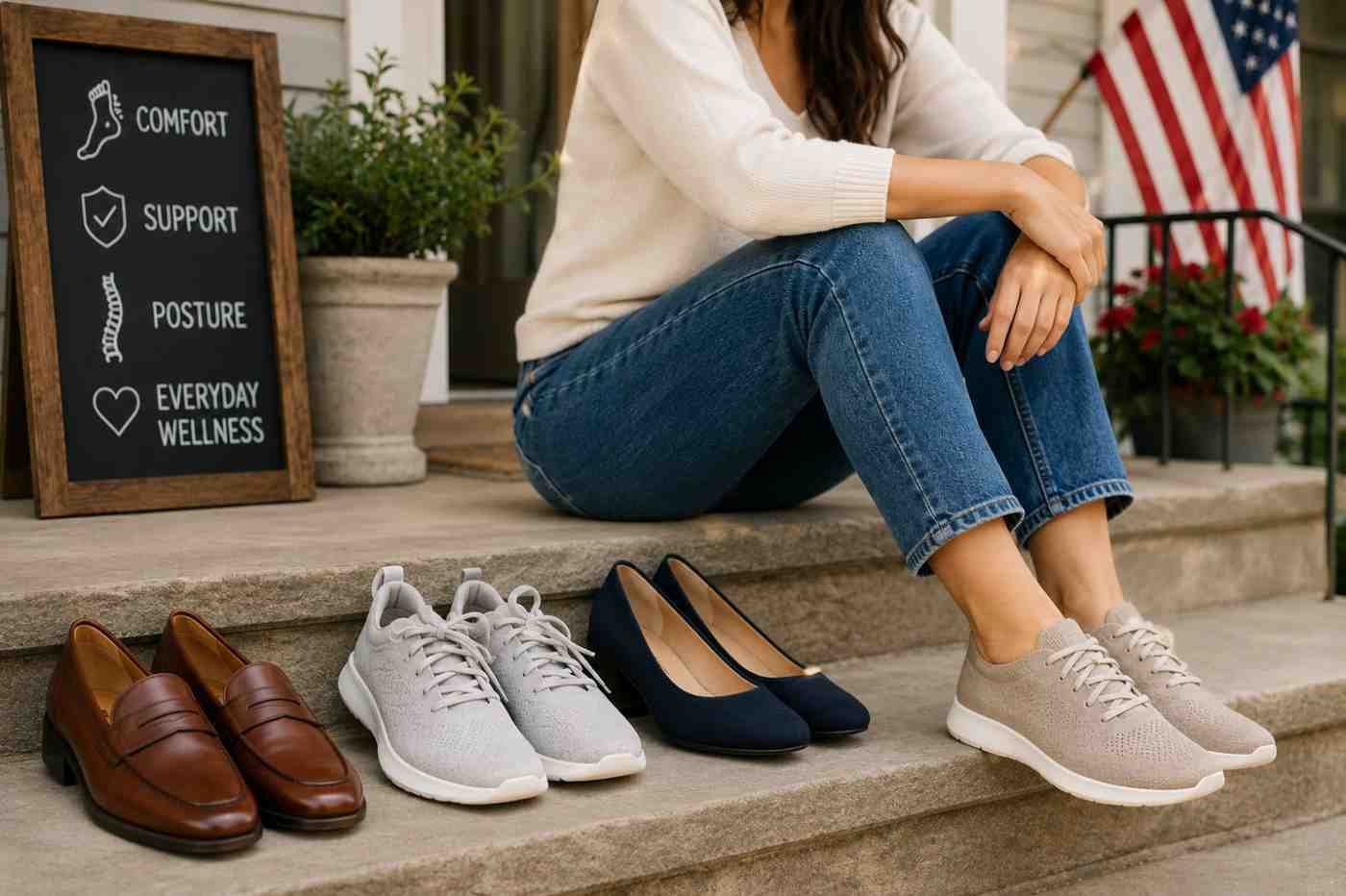
Most people focus on appearance when buying shoes. Comfort usually becomes important only after pain starts showing up. But supportive footwear affects far more than just your feet.
Your feet absorb pressure every single day. Standing during work hours, walking through parking lots, climbing stairs, commuting, or even running quick errands puts stress on your joints and causes foot pain constantly. Poorly made shoes distribute that pressure unevenly, which can slowly affect your ankles, knees, hips, and lower back.
High-quality shoes are designed differently. Better materials, proper arch support, and shock absorption reduce that repeated impact. Instead of forcing your body to compensate for weak soles or poor cushioning, quality footwear supports natural movement.
That matters more than people realize, especially if you spend long hours on your feet.
Everyday Comfort Changes Your Entire Routine
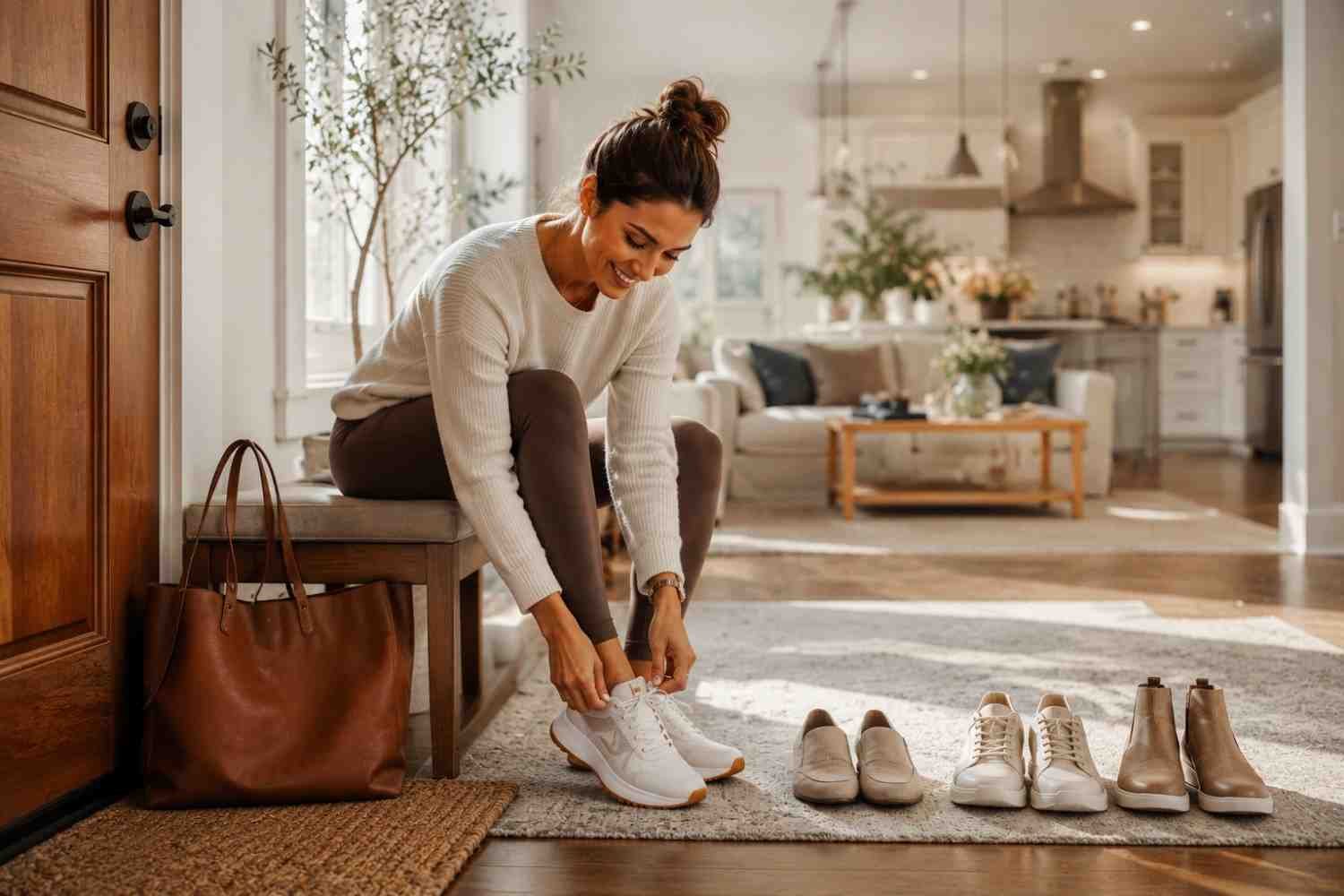
One thing people rarely talk about is how uncomfortable shoes quietly drain energy. It sounds minor until you experience the opposite.
When shoes fit properly and support your natural gait, daily movement feels easier. Walking becomes less exhausting. Standing feels more stable. Even posture improves without constantly adjusting how you move.
I noticed this most during long workdays. Cheap shoes felt fine for an hour or two, then the discomfort started building slowly. Better footwear stayed comfortable throughout the day because the cushioning and support actually held up.
This is especially true for office wear now. People want shoes that look polished without feeling stiff or painful. That is one reason styles like trendy loafers for office outfits have become more popular lately. They balance appearance with practical comfort, which matters when shoes are worn for eight or ten hours straight.
Better Support Helps Prevent Long-Term Pain
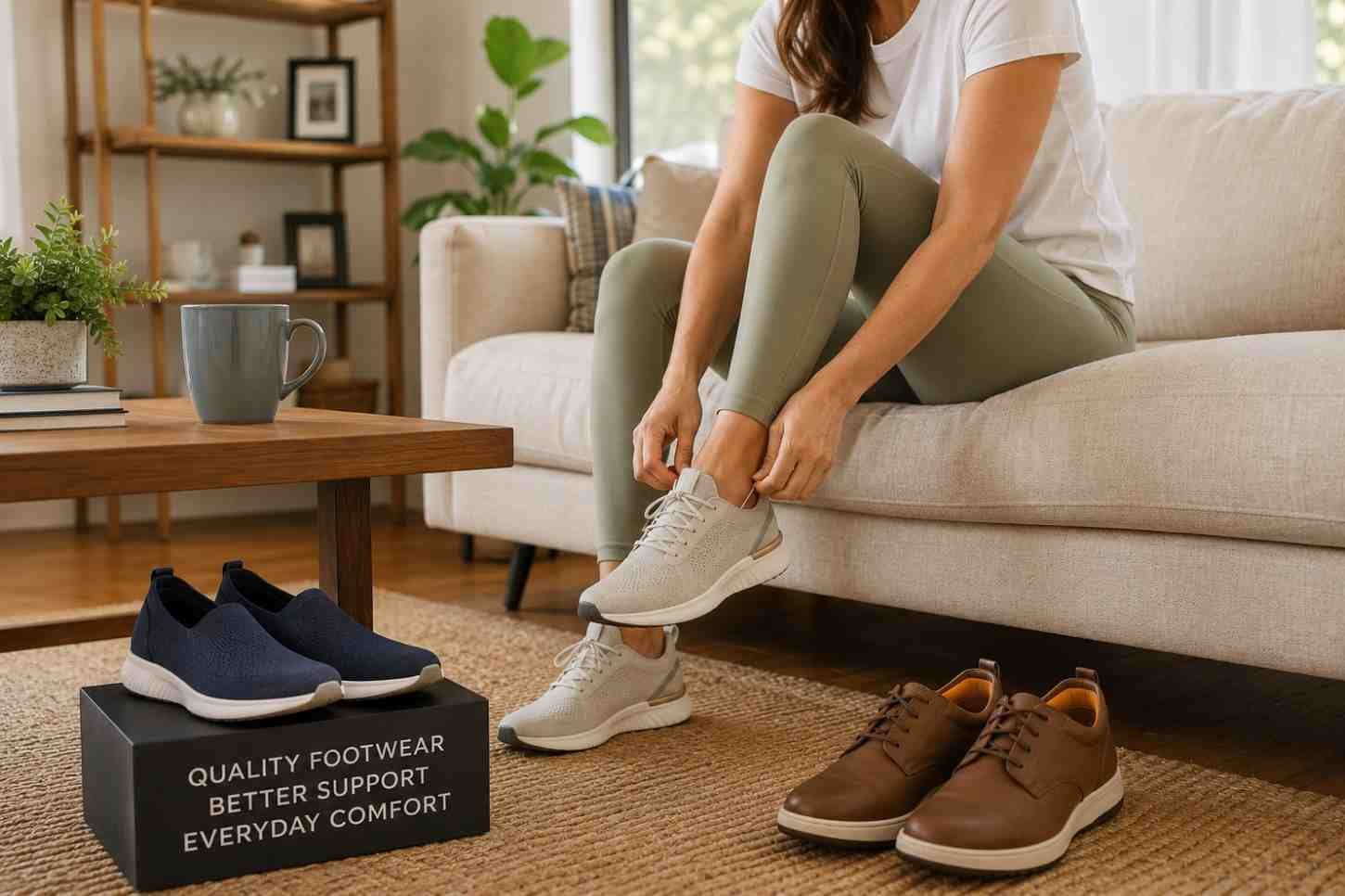
Foot pain rarely stays limited to the feet. That is where many people underestimate the importance of proper footwear.
When your arches lack support, your body compensates automatically. That compensation changes posture and alignment over time. Eventually, strain starts showing up elsewhere.
Quality footwear helps reduce problems like:
- Heel pain
- Plantar fasciitis
- Lower back discomfort
- Knee strain
- Ankle instability
- Pressure on joints
Supportive footwear also improves spinal alignment because your feet create the foundation for your entire body posture. Even small alignment problems can create tension that builds gradually over months or years.
Shoes with ergonomic soles, flexible materials, and proper cushioning allow for more natural movement instead of forcing awkward walking patterns.
Cheap Shoes Usually Cost More In The Long Run
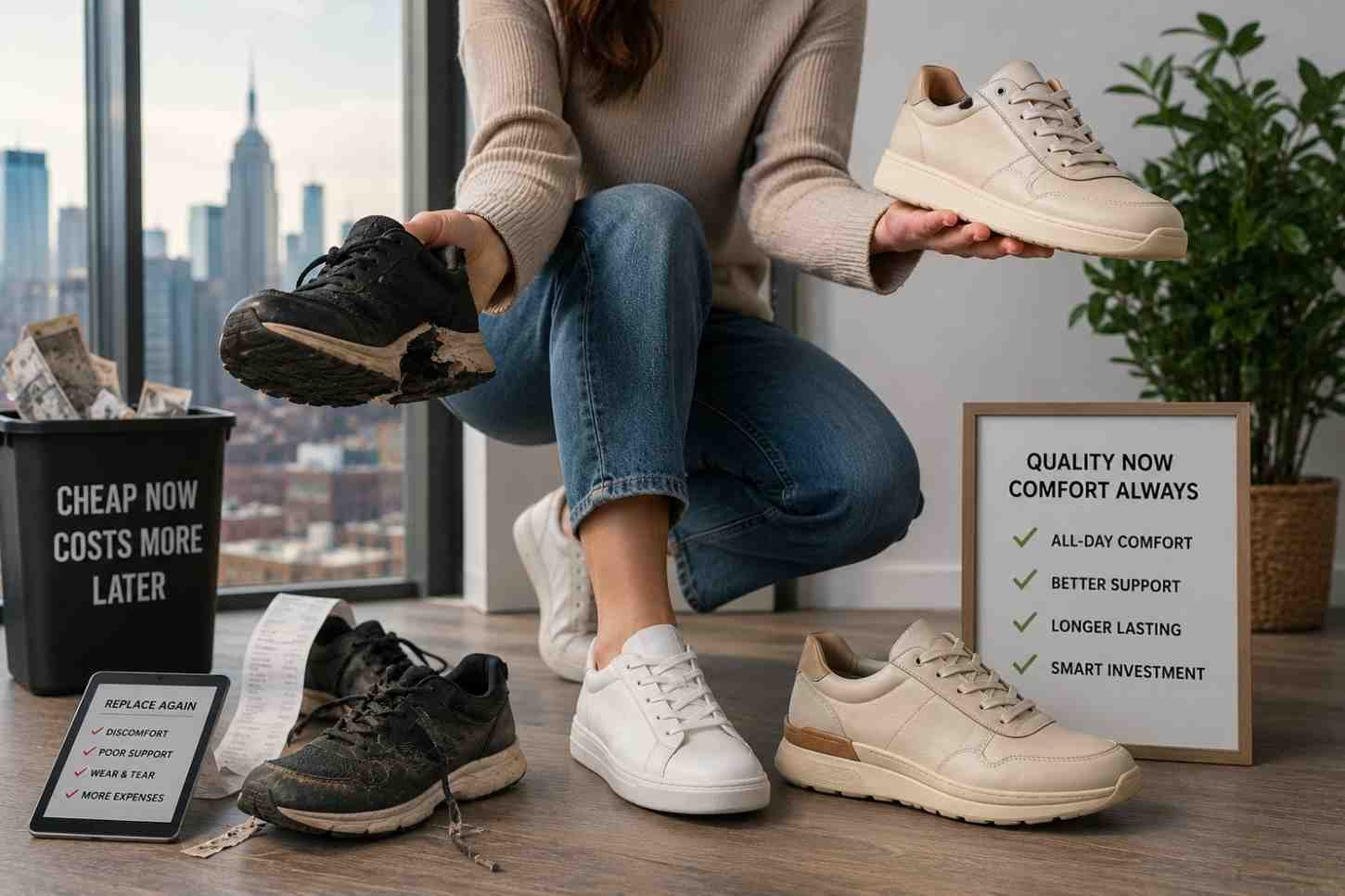
At first glance, budget shoes feel like the smarter financial decision. Lower upfront cost makes them attractive. But over time, they usually wear out faster and lose support quickly.
That means replacing them repeatedly.
Quality footwear tends to hold shape longer because premium materials handle daily wear better. Full-grain leather, durable stitching, stronger outsoles, and higher-density cushioning simply last longer than thin synthetic materials found in many cheaper options.
I learned this after replacing inexpensive shoes every few months. The pattern became predictable:
- Soles flattened quickly
- Cushioning disappeared
- The structure broke down
- Foot discomfort returned
A single pair of durable shoes often outlasted two or three cheaper alternatives. In the long run, the investment actually made more sense financially.
Good Shoes Affect Productivity More Than Expected
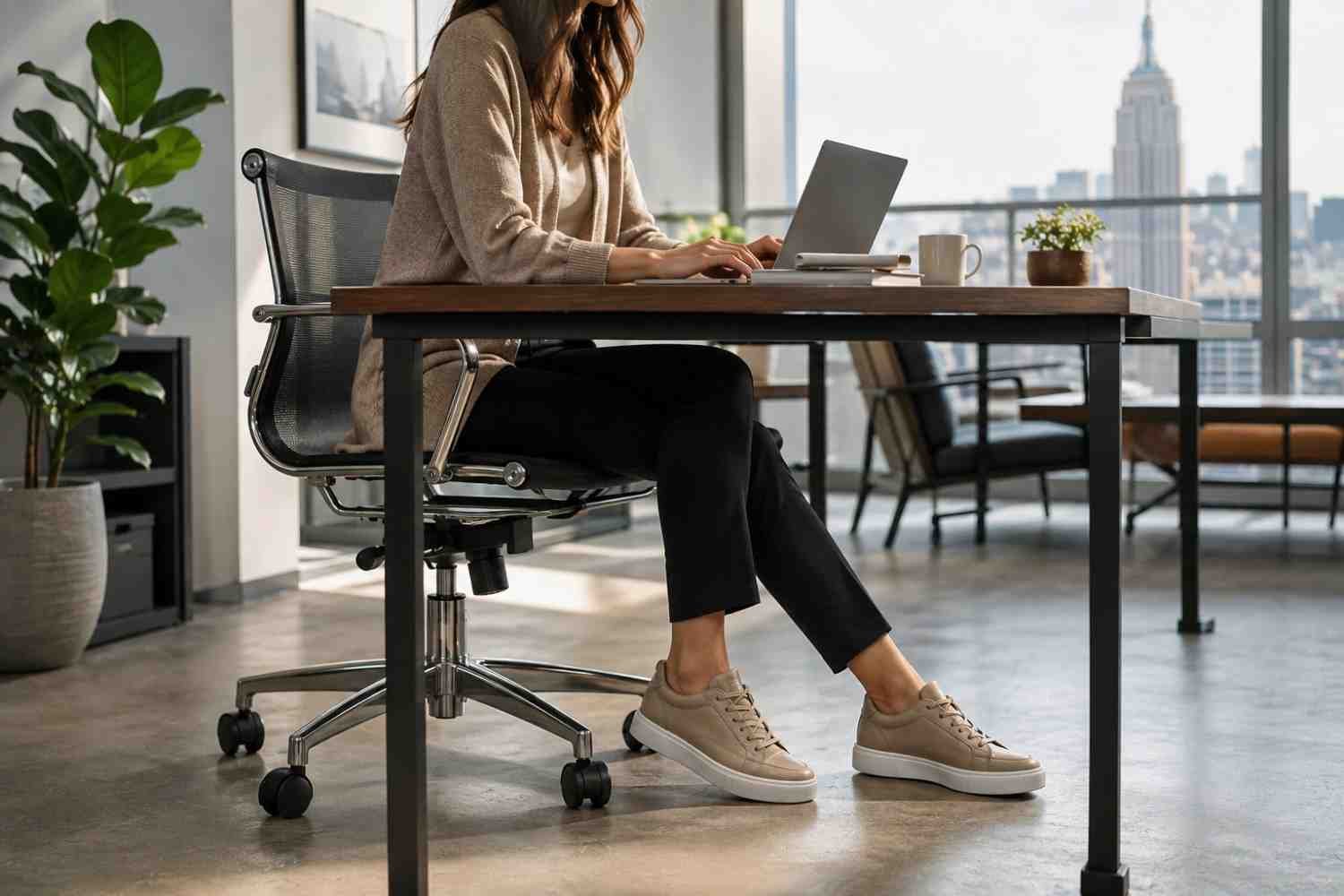
This sounds exaggerated until you experience it personally. Foot discomfort changes mood faster than people realize.
When your feet hurt, focus becomes harder. Energy drops earlier. Even small tasks start feeling physically irritating. On busy days, uncomfortable shoes become a constant distraction.
Supportive shoes reduce that physical stress. Better cushioning and stability allow you to move naturally without thinking about discomfort every few minutes.
That matters for:
- Office professionals
- Retail workers
- Healthcare staff
- Teachers
- Travelers
- Anyone walking or standing throughout the day
Comfortable work shoes are not just about convenience anymore. They directly affect how productive and active you feel by the end of the day.
Signs You May Need Better Footwear
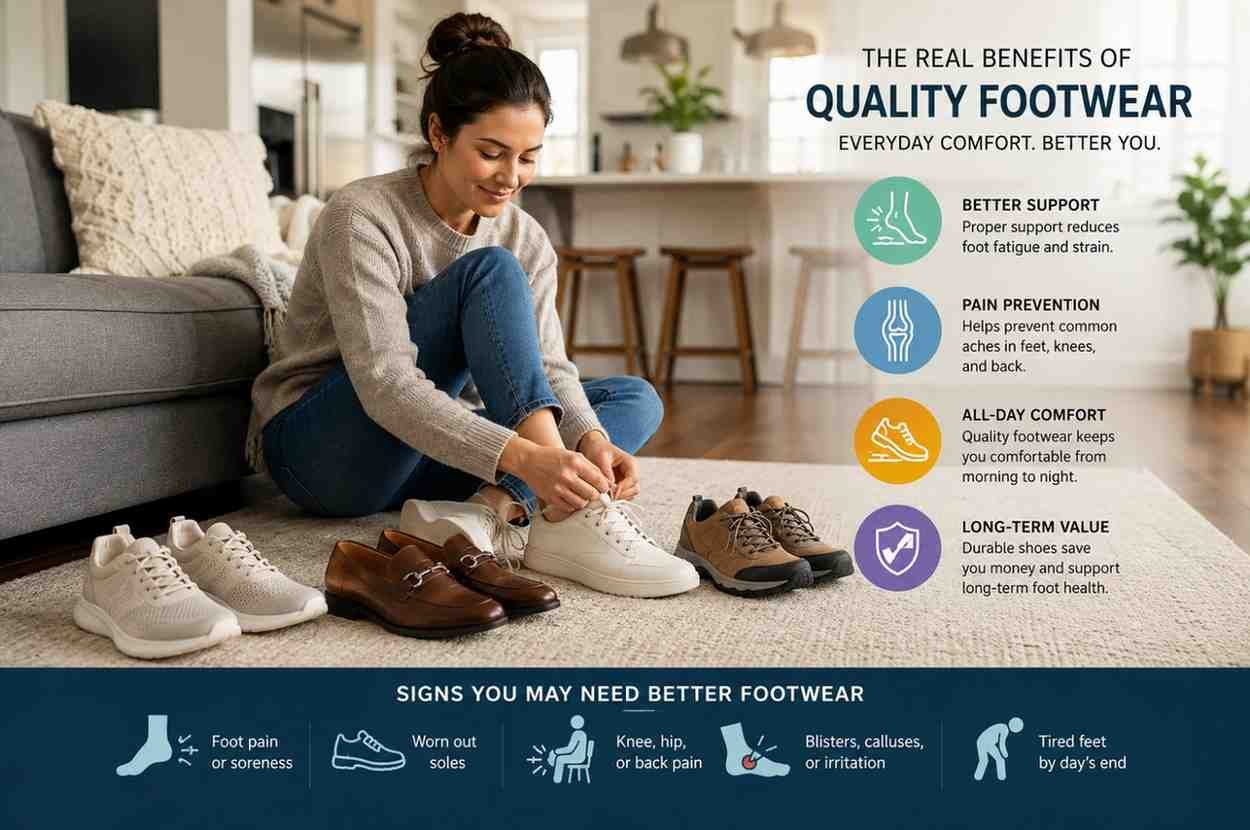
Sometimes people adjust to discomfort without realizing their shoes are the problem.
A few common signs include:
- Foot pain after normal walking
- Lower back tightness after work
- Uneven shoe wear
- Constant heel soreness
- Feeling tired after standing briefly
- Needing frequent shoe replacements
If those issues sound familiar, the problem may not be your routine. It could simply be the shoes you wear every day.
FAQs: The Real Benefits Of Investing In Quality Footwear For Everyday Comfort
1. Are expensive shoes always better?
Not automatically. Price alone does not guarantee quality. Good footwear should provide proper support, durable materials, cushioning, and a comfortable fit.
2. How long should quality footwear last?
It depends on usage, but well-made shoes generally last much longer than budget options. With proper care, some can remain comfortable and supportive for years.
3. Can proper footwear help with back pain?
Yes. Shoes with proper arch support and shock absorption can improve posture and reduce strain on the knees, hips, and lower back.
4. What materials are best for durable shoes?
Full-grain leather, strong rubber soles, EVA cushioning, and breathable premium synthetics tend to offer better durability and long-term comfort.
Wrapping Things Up
The biggest difference quality footwear makes is not always visible immediately. It shows up slowly through better comfort, less fatigue, improved posture, and fewer physical aches at the end of the day. Once you experience consistent support and proper cushioning, going back to poorly made shoes becomes difficult. Your body notices the difference even when you do not think about it consciously.
Good shoes are not only about style or trends anymore. They are part of how comfortably and confidently you move through everyday life.