

I spent years trying to “dry out” my oily skin because I thought that was the solution. I used harsh cleansers, skipped moisturizer, and overloaded my face with strong acne products. Instead of improving, my skin became shinier, more irritated, and constantly congested around my T-zone.
Everything changed once I started following a balanced skincare routine for oily skin that focused on oil control without damaging my skin barrier. Instead of stripping my skin, I learned how to regulate sebum production, minimize enlarged pores, and prevent breakouts while still keeping my skin hydrated.
If you struggle with greasy skin by noon, makeup sliding off your face, clogged pores, or recurring acne, this guide will help you build a simple routine that actually works in real life. I’ll walk you through the exact morning and evening routine that helped me manage oily skin more effectively while avoiding the common mistakes that make excess oil worse.
Why Oily Skin Needs Balance Instead of Harsh Products
One of the biggest skincare myths in the United States is that oily skin needs aggressive drying products. I believed that for years, and it only triggered more oil production.
When your skin barrier becomes damaged from overwashing or alcohol-heavy skincare, your sebaceous glands often respond by producing even more oil to compensate for dehydration. That cycle can lead to clogged pores, acne flare-ups, rough texture, and persistent shine.
Modern dermatologists now focus more on balancing oily skin with lightweight hydration, gentle cleansing, and targeted active ingredients instead of harsh stripping routines.
My Morning Routine That Helps Control Oil All Day
Start With a Gentle Gel Cleanser
Every morning, I use a foaming gel cleanser designed for oily and acne-prone skin. A cleanser containing salicylic acid or beta hydroxy acids helps remove excess oil that builds overnight without making my skin feel tight or irritated.
This step helps clear congested pores while reducing the greasy layer that usually appears on oily skin by midday.
I avoid heavy cream cleansers because they tend to leave residue on my skin, especially during humid weather.
Use an Alcohol-Free Toner

After cleansing, I apply a lightweight toner containing niacinamide and witch hazel. This helps refine my skin texture while balancing excess sebum production.
The important thing is choosing an alcohol-free toner. Products containing denatured alcohol or SD alcohol may temporarily reduce shine, but they often damage the skin barrier and increase rebound oil production later in the day.
A balancing toner also helps prepare the skin for treatment serums and moisturizers.
Apply a Lightweight Vitamin C Serum
One of the biggest upgrades in my routine was adding a vitamin C serum in the morning.
Vitamin C helps protect the skin against environmental stressors while brightening post-acne marks and uneven skin tone. I prefer lightweight water-based serums because thicker formulas can feel greasy on oily skin.
This step also helps my skin look healthier and less dull throughout the day.
Never Skip Moisturizer
For a long time, I thought moisturizer would make oily skin worse. In reality, skipping hydration caused my skin to become even oilier.
I now use a non-comedogenic, oil-free gel moisturizer that hydrates without clogging pores or adding shine. Gel-based moisturizers absorb quickly and feel breathable, which makes them perfect for oily skin types.
Ingredients like hyaluronic acid help attract water into the skin without making the face feel heavy or greasy.
Finish With Matte Sunscreen
Sunscreen completely changed the health of my skin.
I use a broad-spectrum SPF 30 matte sunscreen fluid every single morning, even on cloudy days. Gel sunscreens and fluid sunscreens usually work best for oily skin because they leave less residue than thick cream formulas.
Without sunscreen, acne scars, dark spots, and inflammation can become more noticeable over time. Consistent SPF use also helps protect the skin barrier from long-term damage.
My Evening Routine for Preventing Breakouts and Congested Pores

At night, I focus more on removing buildup and supporting skin repair.
Double Cleanse to Remove Sunscreen and Pollution
Double cleansing made a huge difference in reducing clogged pores around my nose and forehead.
I start with a lightweight cleansing oil to dissolve sunscreen, makeup, excess sebum, and pollutants from the day. Then I follow with the same foaming gel cleanser I use in the morning.
This combination leaves my skin clean without feeling stripped.
Reapply Toner to Balance the Skin
I apply my balancing toner again at night to help calm excess oil and prepare my skin for active treatments.
This step also helps remove any remaining residue after cleansing.
Rotate Between Salicylic Acid and Retinoids
Instead of overloading my skin with multiple active ingredients at once, I alternate treatments throughout the week.
Two or three nights weekly, I use a salicylic acid treatment to deeply unclog pores and reduce blackheads. Salicylic acid works especially well for oily skin because it penetrates inside the pores and breaks down trapped oil buildup.
On alternate nights, I use a retinoid serum to improve skin texture, accelerate cell turnover, and reduce post-acne marks.
Using both treatments carefully helped my skin become smoother and less congested without constant irritation.
Use a Lightweight Barrier-Repair Night Cream
At night, I focus heavily on hydration and barrier support.
I use a lightweight night cream containing hyaluronic acid and ceramides because these ingredients help repair the skin barrier while maintaining moisture balance overnight.
Even oily skin needs hydration to function properly. Once I started focusing on barrier repair instead of aggressive drying, my skin became noticeably less greasy.
Ingredients That Helped My Oily Skin Improve Faster
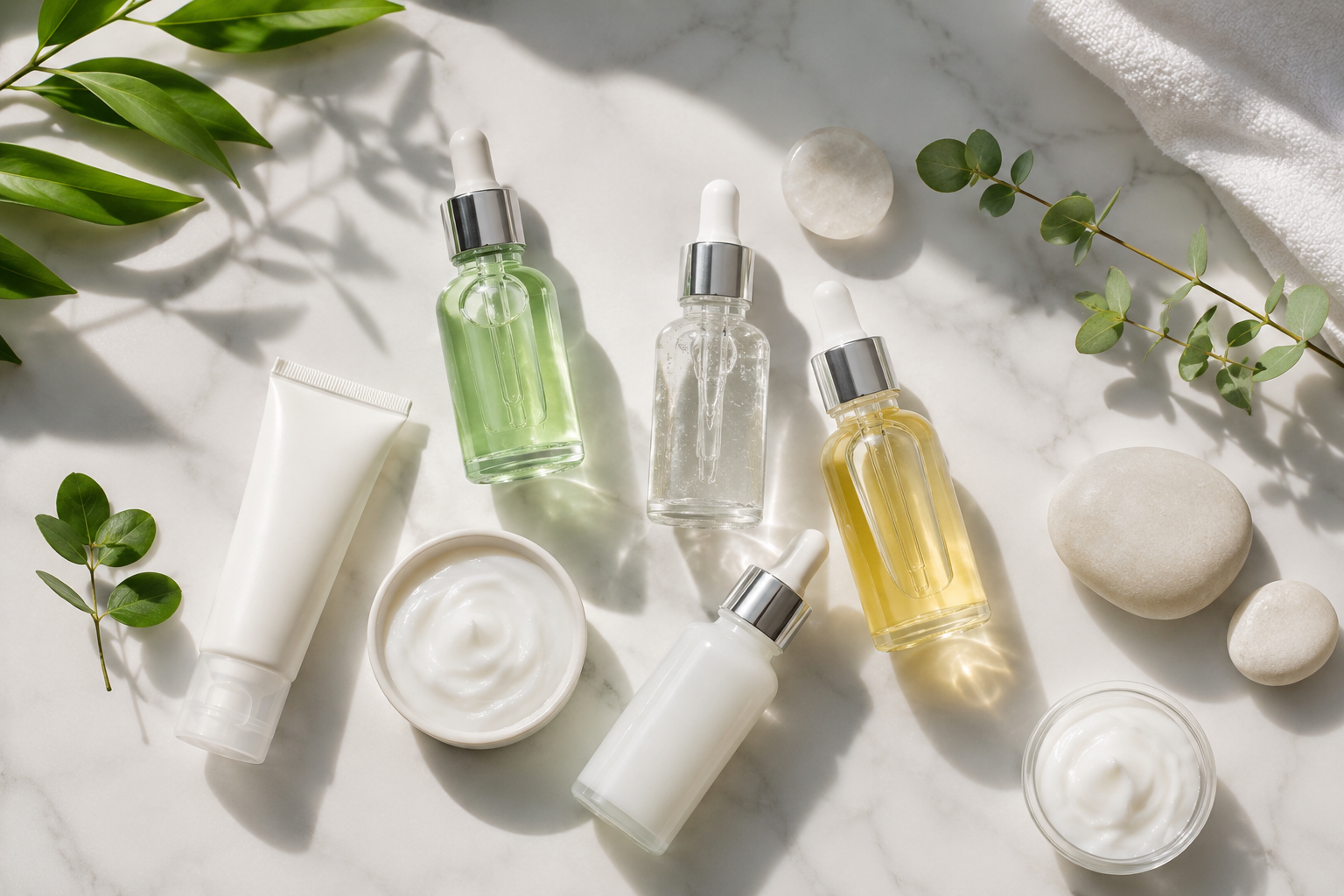
The products that consistently worked best for me included ingredients like niacinamide, salicylic acid, hyaluronic acid, vitamin C, retinoids, and ceramides.
Niacinamide helped regulate oil production while improving redness and enlarged pores.
Salicylic acid reduced blackheads and congestion without causing excessive dryness.
Hyaluronic acid provided lightweight hydration that prevented dehydration-related oiliness.
Ceramides helped strengthen my skin barrier after years of harsh acne products.
Retinoids improved acne marks, uneven texture, and persistent breakouts over time.
Ingredients I Avoid Completely Now
After years of trial and error, I realized several ingredients consistently triggered breakouts or excessive shine on my skin.
Heavy oils like mineral oil, petrolatum, and coconut oil often clogged my pores.
Comedogenic butters such as cocoa butter and shea butter felt too heavy and contributed to congestion.
Alcohol-heavy products temporarily reduced shine but eventually caused rebound oil production and irritation.
Switching to lightweight, non-comedogenic skincare made a major difference.
Lifestyle Habits That Improved My Oily Skin
My skin improved much faster once I stopped focusing only on products.
Stress management, better sleep, regularly changing pillowcases, cleaning my phone screen, and avoiding touching my face all helped reduce breakouts.
I also noticed that extremely humid summer weather in many parts of the United States made my skin oilier, so I switched to lighter gel textures during warmer months.
Small daily habits can affect oily skin more than most people realize.
Why Simpler Skincare Routines Often Work Better

One mistake I constantly made was layering too many active ingredients at once.
Using exfoliating acids, retinoids, acne spot treatments, and harsh cleansers together only damaged my skin barrier and caused irritation.
Today, my skincare routine for oily skin is much simpler, and my skin looks healthier because of it. Consistency and balance matter far more than using dozens of trendy products.
Frequently Asked Questions About Oily Skin Care
1. What is the best skincare routine for oily skin?
The best routine includes a gentle cleanser, alcohol-free toner, lightweight vitamin C serum, non-comedogenic moisturizer, salicylic acid treatments, and broad-spectrum sunscreen.
2. Should oily skin use moisturizer daily?
Yes. Oily skin still needs hydration. Skipping moisturizer can increase sebum production and make skin appear even shinier.
3. Which ingredients work best for oily skin?
Niacinamide, salicylic acid, retinoids, ceramides, vitamin C, and hyaluronic acid are among the best ingredients for oily and acne-prone skin.
4. How often should oily skin exfoliate?
Most dermatologists recommend using salicylic acid exfoliants two to three times weekly to help unclog pores without damaging the skin barrier.
A Smarter Approach to Managing Oily Skin
Once I stopped trying to aggressively “fight” oily skin and focused instead on balance, hydration, and barrier repair, my skin improved dramatically. The right skincare routine for oily skin does not need to feel complicated or overwhelming.
My everyday skincare routine became much more effective once I focused on consistency instead of harsh treatments. A few targeted products, consistent habits, and lightweight hydration can help reduce excess shine while keeping the skin healthier long term.