
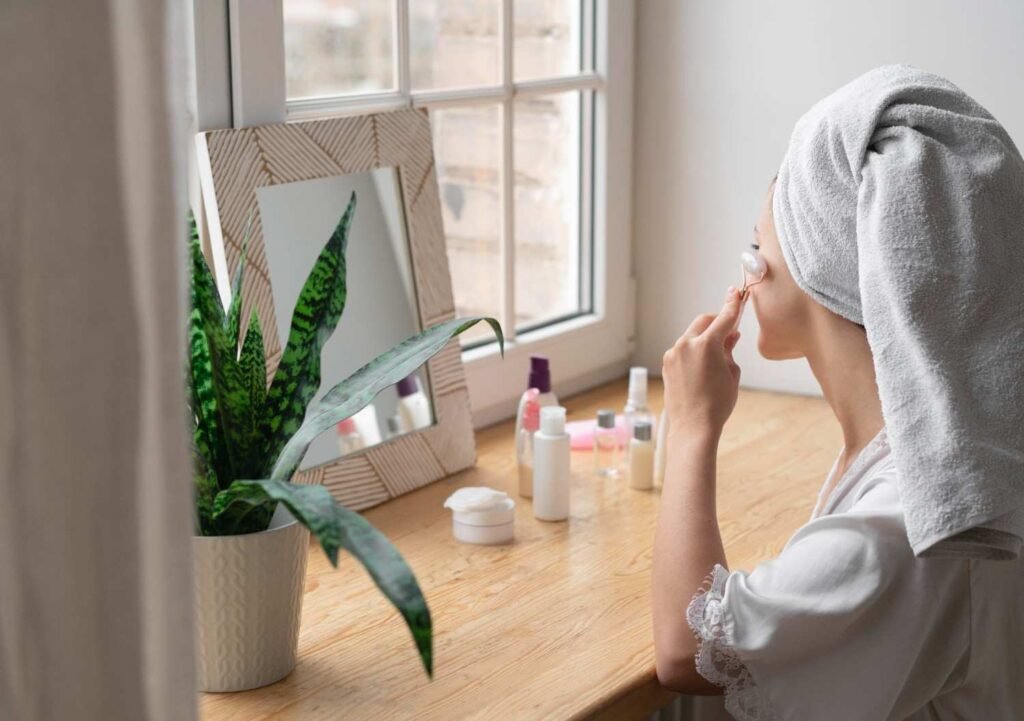
My skin looked its worst when my skincare routine was at its longest. I kept layering products because every beauty trend online convinced me I was missing the “one thing” standing between me and clear, glowing skin.
Some mornings felt like a chemistry experiment instead of self-care. Ironically, the more complicated my routine became, the more irritated and exhausted my skin looked.
The turning point came when I stopped treating skincare like a race for instant results and started focusing on consistency, hydration, and barrier health instead. Simplifying my everyday skincare routine helped my skin recover in ways expensive treatments never did.
My texture improved, redness faded, and my skin finally started looking naturally healthy rather than overloaded with products.
What I learned is that effective skincare usually is not about owning dozens of products. It is about understanding what your skin actually needs every day. A balanced routine built around cleansing, hydration, treatment, and sun protection can completely change how your skin looks and feels over time without making skincare feel overwhelming.
Why Does a Daily Skincare Routine Matter So Much?
Your skin deals with pollution, sweat, Ultraviolet radiation exposure, oil production, makeup, weather changes, and environmental stress every single day. Without a consistent routine, dead skin cells, clogged pores, dehydration, and irritation gradually build up over time.
I learned that skincare is less about perfection and more about protecting your skin barrier consistently. A simple routine performed daily often produces better long-term results than constantly switching products every week.
The biggest improvement I noticed came from sticking to basic skincare routine steps consistently rather than chasing viral products online.
What Is the Best Morning Skincare Routine Order?
Morning skincare should focus on protection, hydration, and preparing your skin for the day ahead. Your products should help defend the skin against environmental stress while maintaining moisture levels.
Step 1: Cleanse Away Overnight Oil and Sweat

A gentle water-based cleanser removes overnight sweat, oil, and product buildup without stripping the skin barrier.
I used to think my skin needed aggressive cleansers because I struggled with oiliness, but harsh cleansing only made my skin produce more oil later in the day. Once I switched to a gentle cleanser with hydrating ingredients, my skin became noticeably more balanced.
Cream cleansers usually work best for dry or sensitive skin, while gel cleansers tend to feel lighter for oily and acne-prone skin types.
Step 2: Apply a Hydrating Toner
Toners have improved dramatically over the years. Older formulas often contained alcohol that dried out the skin, but modern hydrating toners help support moisture levels and prepare the skin for serums.
A good toner can help calm redness, soften dryness, and improve how later products absorb into the skin.
Ingredients like glycerin, rice water, hyaluronic acid, and centella asiatica are commonly found in hydrating toners that support the skin barrier.
Step 3: Use a Vitamin C Serum for Brightness
Vitamin C became one of the most helpful additions to my morning skincare routine. It helped brighten dull skin while improving uneven tone caused by past breakouts and sun exposure.
Vitamin C serums also help neutralize environmental stress throughout the day. Many dermatologists recommend pairing antioxidants with sunscreen for stronger daily protection against visible skin damage while protecting sensitive skin from everyday environmental triggers.
If you have sensitive skin, start slowly and use Vitamin C a few mornings per week before increasing frequency.
Step 4: Moisturize to Support the Skin Barrier
Even oily skin needs hydration. I made the mistake of skipping moisturizer for years because I thought it caused breakouts. In reality, dehydrated skin often produces even more oil to compensate.
A lightweight lotion or gel moisturizer helps lock in hydration while supporting the skin barrier throughout the day. Ingredients like ceramides, peptides, squalane, and hyaluronic acid help improve moisture retention without making the skin feel heavy.
Step 5: Finish With Broad-Spectrum SPF
Sunscreen is easily the most important step in any everyday skincare routine because UV damage contributes heavily to premature aging, hyperpigmentation, fine lines, and skin sensitivity.
Dermatologists across the United States consistently recommend broad-spectrum SPF 30 or higher every day, even during cloudy weather or winter months.
Modern sunscreen formulas now layer much better underneath makeup and feel far lighter compared to older greasy formulas.
What Should a Night Skincare Routine Include?

Nighttime skincare focuses more heavily on repair, treatment, and overnight recovery. Your skin naturally repairs itself while you sleep, making nighttime ideal for targeted treatments.
Step 1: Double Cleanse to Remove Makeup and Sunscreen
Double cleansing became one of the biggest game changers for my skin. An oil-based cleanser helps break down makeup, sunscreen, and excess sebum more effectively than regular cleansers alone.
After using an oil cleanser, follow with the same gentle water-based cleanser from your morning routine.
This process helps reduce clogged pores, leftover residue, and congestion without excessive scrubbing.
Step 2: Apply Treatment Products Carefully
Nighttime is usually the best time to use stronger active ingredients like retinol, salicylic acid, or exfoliating acids.
Retinol helps improve texture, fine lines, acne marks, and uneven skin tone gradually over time. Salicylic acid works especially well for oily and acne-prone skin because it helps unclog pores and reduce breakouts.
One mistake I made early on was combining too many active ingredients together. My skin barrier became irritated quickly. Starting slowly and using treatments only a few nights per week often produces better long-term results.
Step 3: Use an Eye Cream Around Delicate Areas
The skin around the eyes is thinner and often shows signs of dryness, puffiness, or fatigue earlier than other areas of the face.
A gentle eye cream can help improve hydration while reducing the appearance of dark circles and dryness. Caffeine, peptides, and hyaluronic acid are commonly used in eye treatments designed for tired-looking eyes.
Step 4: Seal Everything With a Nourishing Night Moisturizer
Night creams tend to be richer because they support overnight moisture retention and skin recovery.
Ingredients like ceramides, glycerin, peptides, and barrier-repair balms help strengthen the skin barrier while reducing dryness and irritation overnight.
I noticed my skin looked significantly healthier once I stopped under-moisturizing at night.
What Are the Most Important Skincare Routine Rules?
Consistency matters more than constantly buying new products. Performing both morning and nighttime skincare routines daily usually leads to the most visible improvements in texture and hydration.
Patch testing new products is also extremely important. Testing products on your inner forearm for 24 hours can help identify irritation or allergic reactions before applying them across your face.
The order of application matters as well. Products should generally move from the thinnest consistency to the thickest consistency. Lightweight liquids and serums absorb more effectively when applied before heavier creams.
Listening to your skin is another major part of long-term skincare success. If you experience burning, redness, flaking, or excessive dryness, reducing active ingredients immediately can help protect your skin barrier from further irritation.
How Do You Adjust a Skincare Routine for Different Skin Types?
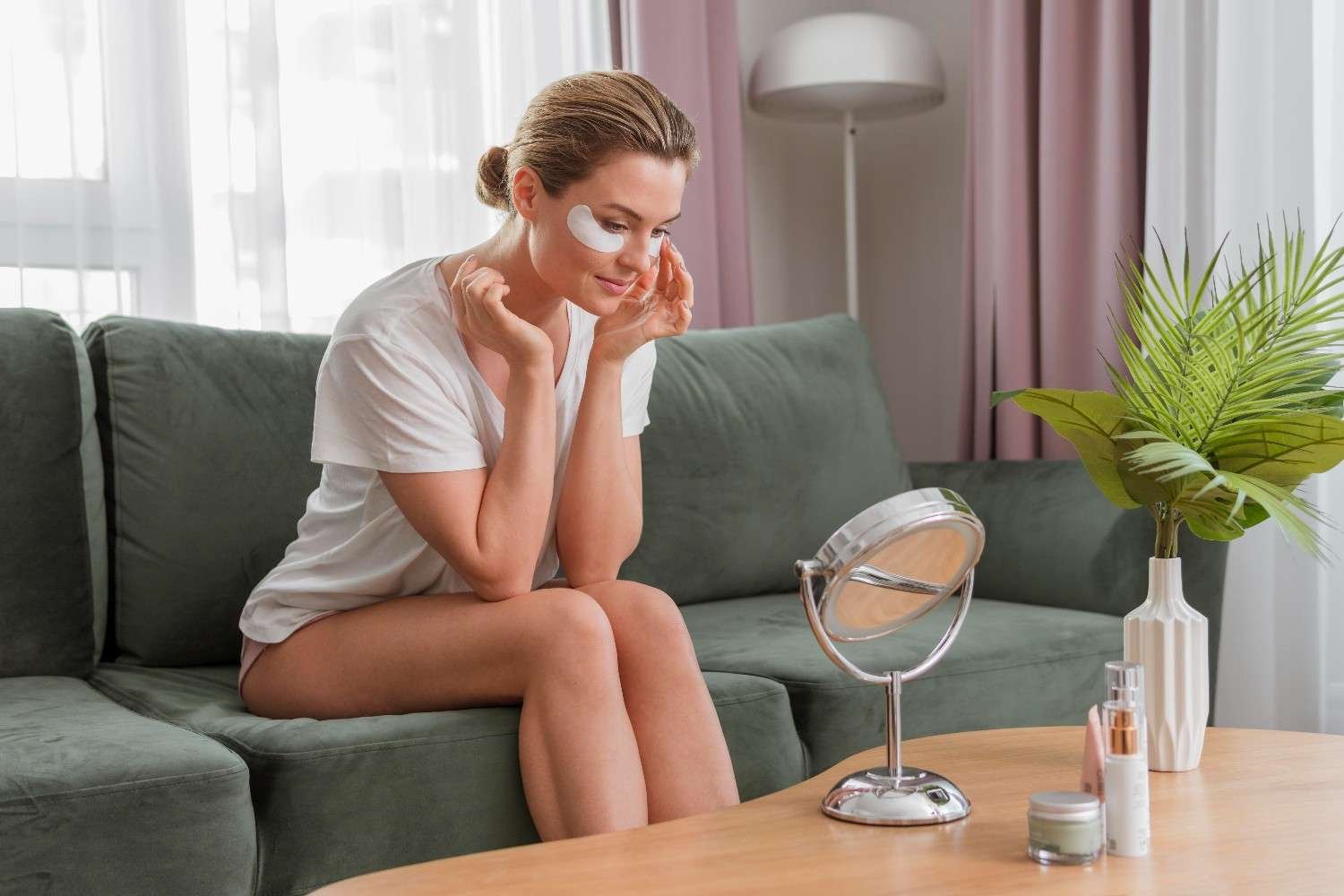
Oily skin usually benefits from lightweight hydration, niacinamide, and salicylic acid. Dry skin often responds better to cream cleansers, richer moisturizers, and ceramide-based products.
Sensitive skin typically performs best with fragrance-free products and minimal active ingredients. Acne-prone skin often benefits from gentle cleansing combined with targeted acne treatments that reduce inflammation without over-drying the skin.
I learned that copying someone else’s skincare routine rarely works perfectly because skin types and environmental conditions vary so much from person to person.
Can a Simple Routine Still Give You Glowing Skin?
Absolutely. Some of the healthiest skin I’ve ever had came from following a consistent everyday skincare routine with only a few reliable products instead of constantly testing every trending product online.
Healthy skin usually comes from balance, patience, hydration, sun protection, and long-term consistency rather than overly complicated routines. In my experience, the best skincare tips for glowing skin are often the simplest habits done consistently every single day.
Once I stopped trying to “perfect” my skin overnight, I finally started seeing real improvements in brightness, texture, and overall skin health.
Frequently Asked Questions (FAQs)
1. What is the best everyday skincare routine for beginners?
Beginners should focus on cleanser, moisturizer, and sunscreen in the morning, followed by cleanser and moisturizer at night before slowly introducing treatment products.
2. How long does it take to see results from a skincare routine?
Most people notice visible improvements within four to eight weeks when following a consistent routine daily.
3. Should oily skin skip moisturizer?
No. Oily skin still needs hydration. Skipping moisturizer can sometimes increase oil production and irritation.
The Simple Changes That Made My Skin Healthier
The biggest lesson I learned is that skincare does not need to feel overwhelming to work effectively. A consistent everyday skincare routine focused on cleansing, hydration, targeted treatments, and sun protection can completely transform how your skin looks and feels over time.
Instead of chasing every trend online, focusing on healthy habits and protecting the skin barrier often produces the best long-term results. Consistency will almost always outperform complicated routines that feel impossible to maintain.