
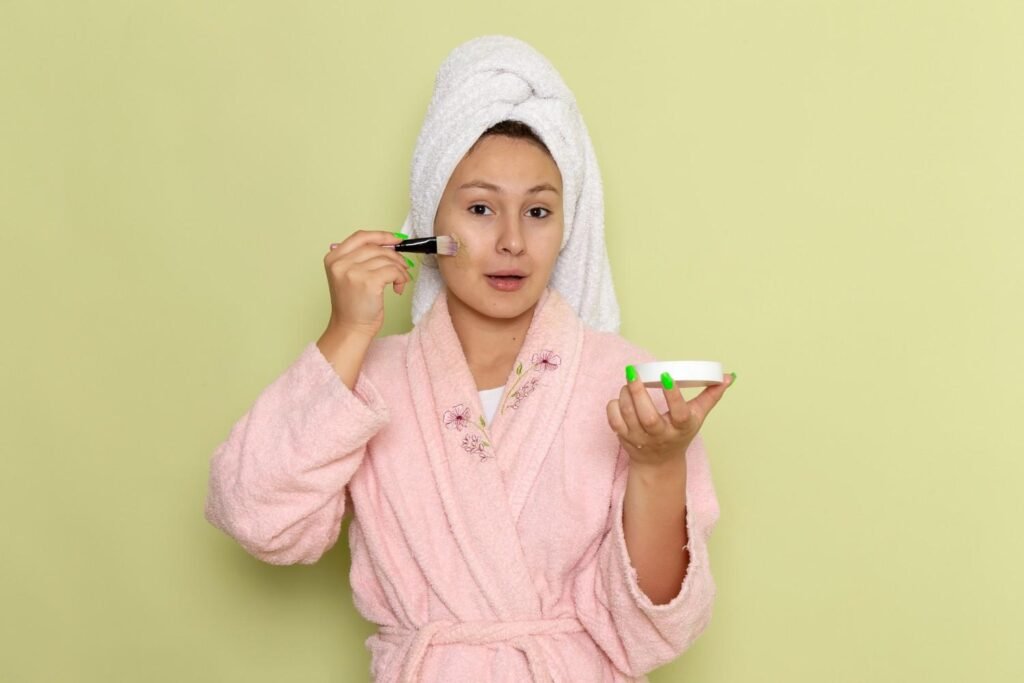
I never realized how much my skin was reacting to stress, lack of sleep, harsh products, and constant trend-hopping until I completely stripped my routine back to the basics.
For the longest time, I thought glowing skin meant using stronger exfoliants, trying expensive serums, or following complicated routines I saw online. Instead, my skin became more irritated, uneven, and dehydrated with every new product I added.
Everything changed once I focused on protecting my skin barrier instead of constantly attacking my skin with “quick-fix” treatments. I started prioritizing hydration, lightweight layers, consistent SPF, and healthier daily habits that actually fit into real life.
The result was not an overnight transformation, but a gradual, healthy glow that looked natural even without makeup. These skincare tips for glowing skin helped me understand that radiant skin usually comes from consistency, balance, and patience rather than perfection.
Why Your Skin Looks Dull Even When You Use Good Products
Many people assume dullness only comes from dry skin, but that is rarely the only cause. In reality, dehydrated skin, lack of sleep, stress, sun damage, pollution, harsh cleansers, and over-exfoliation can all affect how radiant your complexion looks.
In many parts of the US, weather shifts also create major skin challenges. Cold winters, indoor heating, strong summer sun, and air conditioning can weaken the skin barrier over time. I noticed my skin looked significantly healthier once I stopped trying to aggressively “fix” every issue and instead focused on protecting my barrier consistently.
Healthy skin typically looks calm, hydrated, smooth, and even-toned rather than excessively shiny.
Morning Glow Routine That Helps Skin Look Naturally Radiant
A consistent morning routine creates the foundation for brighter skin throughout the day.
Gentle Cleansing Makes a Bigger Difference Than People Think
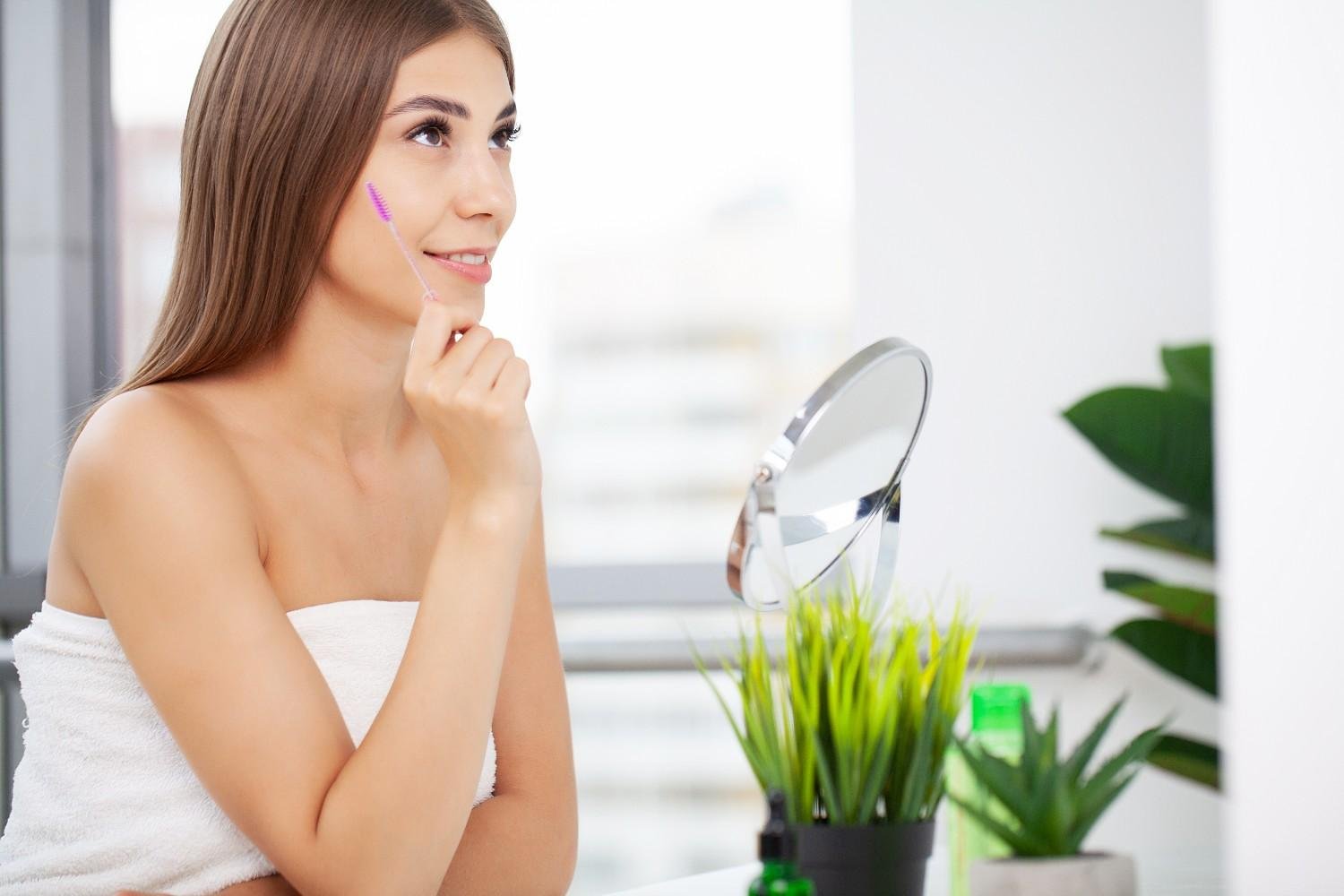
I stopped using harsh foaming cleansers because they made my face feel tight within minutes. A mild, pH-balanced cleanser removes overnight oil and sweat without stripping away moisture.
Cream cleansers and hydrating gel cleansers usually work well for most skin types, especially during colder seasons when the skin barrier feels more sensitive.
Vitamin C Helps Brighten Dull Skin
An antioxidant serum remains one of the most effective ways to support a brighter complexion. Vitamin C helps reduce dullness while protecting against environmental stress and free radicals that can make skin look tired over time.
I prefer lightweight serums because they layer easily under sunscreen and makeup without feeling greasy.
Hydration Creates a Healthier Glow
One of the biggest skincare myths is that oily skin does not need moisturizer. Once I started applying lightweight hydration on damp skin, my complexion actually became more balanced and less greasy throughout the day.
Ingredients like hyaluronic acid, glycerin, ceramides, and squalane help maintain moisture levels while supporting smoother-looking skin.
Daily SPF Is Non-Negotiable
Broad-spectrum SPF 30 or higher is one of the most important parts of any glowing skin routine. Sun exposure quietly contributes to uneven tone, rough texture, dark spots, and premature aging long before visible damage appears.
I noticed one of the biggest improvements in my complexion after I started applying sunscreen consistently every morning, even during cloudy weather.
Nighttime Repair Routine for Smoother, Healthier Skin
Nighttime skincare should focus on repair and recovery rather than aggressive treatments.
Double Cleansing Removes Build-Up Properly
If you wear makeup or sunscreen daily, double cleansing can help prevent clogged pores and buildup. I usually start with an oil cleanser followed by a gentle water-based cleanser to leave my skin clean without feeling stripped.
This method became especially helpful during humid summer months when sunscreen and sweat tend to sit on the skin longer.
Targeted Treatments Improve Texture Over Time
Retinol remains one of the most effective ingredients for improving uneven texture, fine lines, and dullness. However, overusing strong activities can easily damage the skin barrier.
I learned that using lower-strength retinol consistently works much better than applying strong formulas too frequently. Sensitive skin types may benefit more from hydrating serums, niacinamide, or barrier-focused ingredients instead.
Barrier Support Keeps Skin Healthy Overnight
A nourishing night cream helps seal hydration into the skin while supporting overnight recovery. During winter, I usually switch to richer moisturizers because indoor heating makes my skin noticeably drier.
Keeping the skin barrier healthy is one of the fastest ways to improve overall radiance long term.
Weekly Habits That Help Skin Look Brighter
The routines that transformed my skin most were not aggressive treatments. They were smaller weekly habits done consistently.
Mild Exfoliation Smooths Skin Without Irritation
Chemical exfoliants like AHAs (alpha hydroxy acids) and BHAs (beta hydroxy acids) can help remove dead skin buildup more evenly than rough physical scrubs. I usually exfoliate one or two times weekly because excessive exfoliation often creates redness and sensitivity instead of glow.
Facial Massage Can Improve Circulation
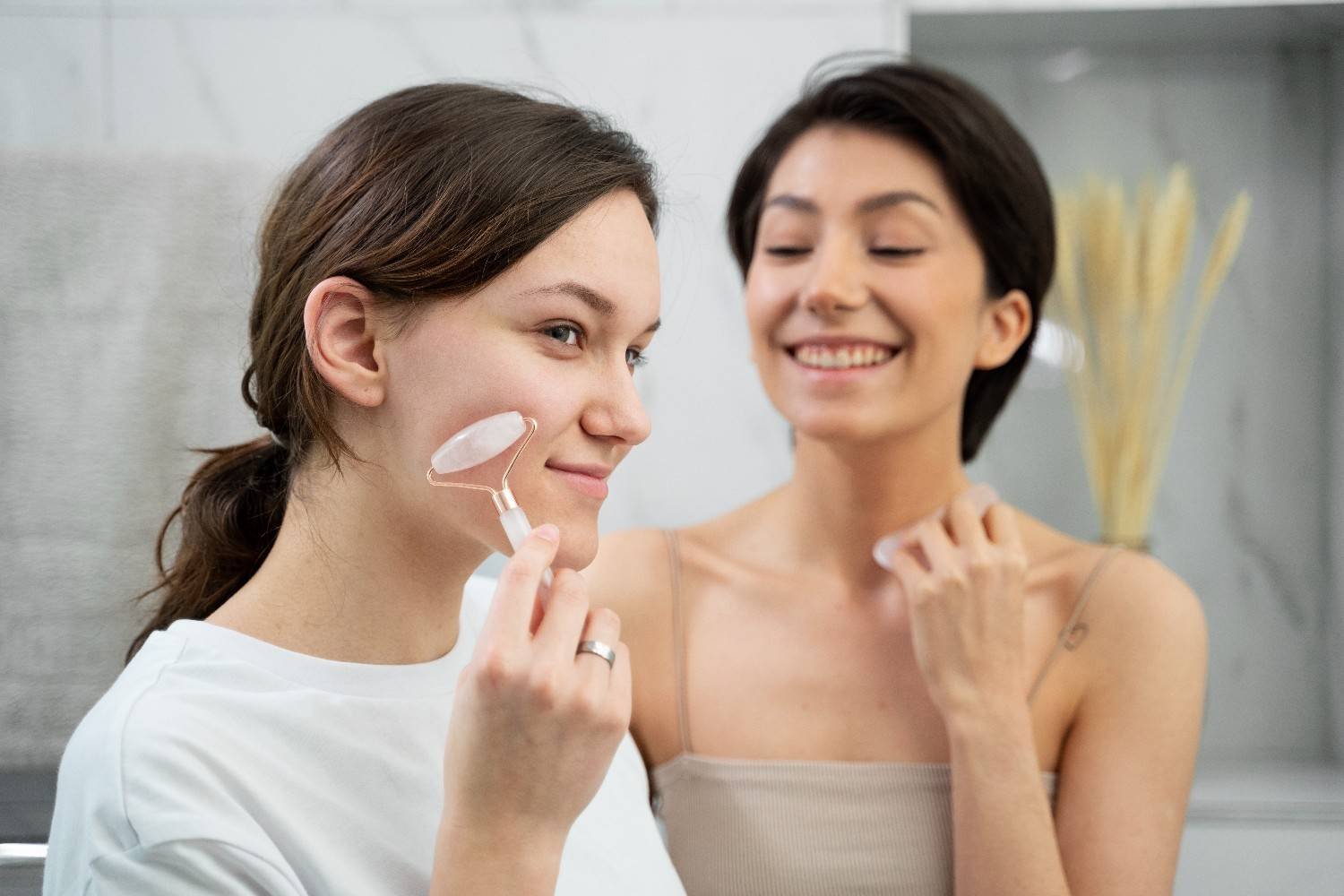
Gentle facial massage may temporarily boost circulation and reduce puffiness, especially in the morning. Even a few minutes with clean hands or a facial roller can help the skin appear fresher.
Deep Hydration Helps Restore Moisture
A hydrating mask once a week can help calm dry or stressed skin. I especially rely on moisture-rich masks after travel, cold weather exposure, or long workweeks when my skin starts looking tired.
Lifestyle Habits That Affect Your Skin More Than Products
Skincare products matter, but lifestyle choices influence your complexion just as much.
Hydration Supports Healthy-Looking Skin
Drinking enough water consistently helps support overall skin function. While water alone does not instantly create perfect skin, dehydration can absolutely make the complexion appear dull and tired.
Nutrition Plays a Huge Role
I noticed improvements in my skin when I started eating more berries, leafy greens, avocados, salmon, and healthy omega-3 fats. Processed foods and excessive sugar often affected my skin texture and breakouts much faster than I expected.
Sleep Helps Skin Recover
Lack of sleep almost always shows up on the skin. When I consistently get seven to nine hours of rest, my skin looks calmer, brighter, and less inflamed overall.
Stress Can Trigger Breakouts and Dullness
Stress management matters far more than most people realize. High stress levels can increase inflammation and oil production, which may contribute to acne flare-ups and irritation.
Simple habits like walking, deep breathing, exercise, and reducing screen overload helped improve both my mental health and skin appearance.
Common Mistakes That Prevent Glowing Skin

One of the most common mistakes people make is overcomplicating their routine. Using too many active ingredients together often damages the skin barrier and creates irritation.
Sleeping with makeup on, skipping sunscreen, aggressively scrubbing the skin, and constantly changing products can also prevent long-term progress.
The routines that usually work best are consistent, gentle, and realistic enough to maintain daily.
How Long Does It Take to See Results?
One of the hardest parts of skincare is learning patience. Hydration improvements can appear within days, but smoother texture, brighter tone, and fading dark spots usually take several weeks.
I personally noticed the biggest difference after staying consistent with my natural skincare routine for about two months instead of constantly switching products every week. These skincare tips for glowing skin became far more effective once I focused on long-term consistency instead of quick fixes.
FAQs About Skincare Tips for Glowing Skin
1. What is the best skincare routine for glowing skin?
A balanced routine with gentle cleansing, hydration, vitamin C, moisturizer, and SPF usually works best for long-term results.
2. Which ingredient helps glowing skin the most?
Vitamin C, niacinamide, ceramides, and hyaluronic acid are some of the most effective ingredients for improving radiance and hydration.
3. Can oily skin still look glowing?
Yes. Healthy glowing skin should look hydrated and balanced rather than greasy.
4. How often should I exfoliate?
Most people only need exfoliation one or two times weekly to maintain smoother skin without irritation.
5. How long does glowing skin take to achieve?
Many people notice hydration improvements quickly, but long-term texture and brightness changes often take several weeks of consistency.
What Finally Helped My Skin Look Better
After years of chasing beauty trends, I realized healthy skin usually comes from consistency rather than perfection. Once I simplified my routine and focused on hydration, sunscreen, sleep, and barrier repair, my complexion became noticeably healthier and easier to maintain.
The most effective routines are not always the most expensive or complicated ones. The habits that truly changed my skin were the ones I could realistically follow every day. Over time, these skincare tips for glowing skin helped me build a routine that feels sustainable, simple, and genuinely effective.