I think stylish people simply had better clothes. Then I realized many of them were just better at matching colors. A basic outfit can look expensive when the shades work together, while a costly outfit can look messy when the colors fight each other.
That is why color matching guides on fashion are so helpful. They make dressing easier, especially when you want your wardrobe to look polished without buying new clothes all the time.
Why Color Matching Matters in Fashion
Color is usually the first thing people notice in an outfit. Before they see the fabric, brand, or fit, they notice whether the outfit feels balanced. Good color matching can make your outfit look cleaner, more intentional, and more flattering.
It can also help you feel more confident because you are not guessing every time you get dressed. A strong outfit does not need five bold shades. In fact, most stylish looks use two or three colors with one neutral base. This keeps the outfit easy on the eyes.
How the Fashion Color Wheel Works
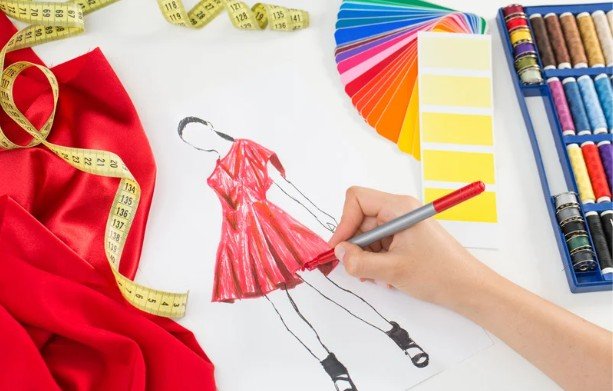
The color wheel is one of the easiest tools for building outfits. It shows how colors relate to each other. Complementary colors sit opposite each other on the wheel. These create contrast, such as blue and orange or green and red. In fashion, these pairings work best when one shade is softer. For example, navy with rust feels more wearable than bright blue with neon orange.
Analogous colors sit next to each other. These combinations feel smooth and natural, such as blue with green or beige with brown. Monochrome outfits use different shades of one color. This is one of the easiest ways to look polished. A cream sweater, beige trousers, and tan shoes can create a soft, elegant outfit without much effort.
Best Color Combinations for Clothes

Some color combinations work almost every time. Navy and white look crisp, classic, and clean. This pairing works well for office outfits, casual shirts, dresses, denim, and summer looks. Black and gray create a sleek outfit that feels modern. To avoid looking flat, I like mixing textures, such as denim, cotton, leather, or knitwear.
Beige and olive green feel relaxed but stylish. This combination works especially well with jackets, cargo pants, trench coats, sweaters, and sneakers. Burgundy and navy look rich without feeling loud. This pairing is great for fall, date nights, blazers, dresses, and evening outfits.
Brown and cream are perfect when you want a softer alternative to black and white. These shades feel warm, expensive, and easy to wear. Denim and white is one of the most reliable casual combinations. A white shirt with blue jeans works because it is simple, fresh, and timeless.
How to Match Colors With Your Skin Tone
Your skin tone can help you choose shades that make you look brighter. If your skin has warm undertones, earthy shades often work well. Think camel, olive, rust, mustard, chocolate brown, coral, and cream.
If your skin has cool undertones, colors like navy, emerald, lavender, charcoal, icy pink, and true white may feel more flattering. Your undertone becomes neutral, you can usually wear both warm and cool shades. The key is balance. If one color feels too strong, place it farther from your face through pants, shoes, or accessories.
Neutral Colors That Make Outfits Easier

For example, wear black jeans, a white top, and a green jacket. Or try beige pants, a navy sweater, and brown shoes. This simple formula keeps your outfit stylish without overthinking.
Common Color Matching Mistakes to Avoid
One common mistake is wearing too many bright colors at once. Bold color can look amazing, but too much contrast can make an outfit feel busy. Another mistake is ignoring the occasion. A neon outfit may work for a festival, but it may feel too loud for a dinner, office, or family event.
Many people also forget about shoes and bags. Accessories should support the outfit, not compete with it. When unsure, choose neutral shoes, a simple bag, and add minimal jewelry. The last mistake is copying trends without checking whether the colors suit you. A trendy shade may be popular, but that does not mean it belongs in every wardrobe.
Color Matching Outfit Ideas for Every Season
Spring outfits look great with soft shades like blush pink, light blue, cream, sage green, and lavender. These colors feel fresh without being too bold. Summer outfits work well with white, tan, sky blue, coral, yellow, and denim. Light colors also feel more breathable and relaxed.
Fall is perfect for olive, burgundy, rust, camel, chocolate brown, and deep navy. These shades pair beautifully with boots, coats, knits, and layered outfits. Winter outfits often look best with black, gray, cream, navy, emerald, wine red, and charcoal. These deeper shades create a clean and elegant cold-weather style.
How I Build a Color-Matched Outfit Fast
When I need to get dressed quickly, I follow a simple three-step rule. First, I choose one base color, usually black, denim, beige, white, or navy. Then I choose one main color that sets the mood of the outfit. Finally, I add one small accent through shoes, a belt, a scarf, jewelry, or a bag.
This method works because it gives the outfit direction. It also stops me from adding random pieces that do not belong together. That is why color matching guides on fashion are useful for beginners and style lovers. They turn color from a confusing choice into a simple styling system.
Frequently Asked Questions
1. What are the easiest colors to match in fashion?
The easiest colors to match are black, white, gray, navy, beige, cream, brown, and denim. These neutrals work with most shades and make outfit building much easier.
2. How many colors should I wear in one outfit?
Most outfits look best with two or three main colors. You can add small accents, but keeping the main palette simple usually looks more polished.
3. Do Color Matching Guides on fashion help beginners?
Yes, color matching guides on fashion help beginners understand which shades work together, how to use neutrals, and how to build outfits with more confidence.
4. What color combination always looks stylish?
Navy and white, black and gray, beige and brown, denim and white, and burgundy with navy are reliable combinations that work for many occasions.
The Style Takeaways
I believe color matching is one of the fastest ways to improve personal style. You do not need a huge closet or expensive pieces. You just need to understand how colors work together.
Once I started using simple color rules, my outfits felt more intentional, balanced, and easy to repeat. Start with neutrals, add one strong shade, and keep accessories simple. That small habit can make your wardrobe feel more stylish every day.